WENTION TECHNOLOGY SDN BHD

Your Most Reliable Factory Automation Channel

Category Archives: News

PLC vs HMI comparison for industrial automation systems

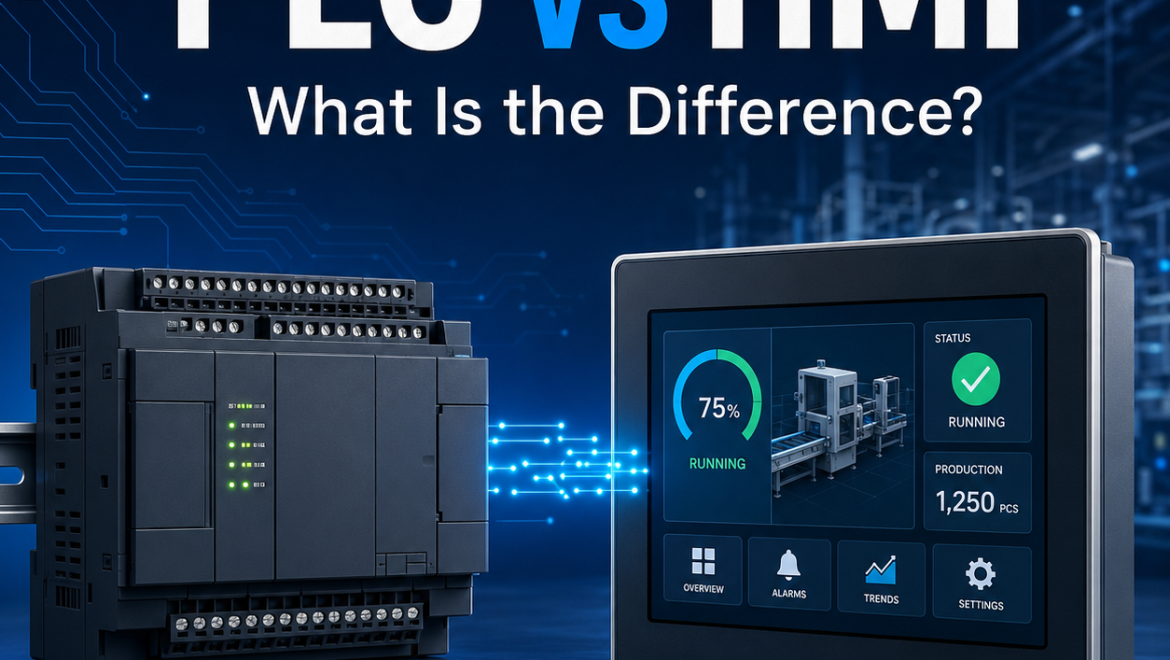
PLC vs HMI: What Is the Difference?

PLC and HMI are two essential components in many industrial automation systems, but they perform very different roles.

A Programmable Logic Controller (PLC) controls the machine or process. It receives signals from sensors, executes programmed logic and sends commands to equipment such as motors, valves, relays and actuators.

A Human Machine Interface (HMI) allows operators to interact with that control system. It displays machine status, operating values, alarms and production information while allowing authorised users to enter commands or adjust settings.

In simple terms, the PLC makes the control decisions, while the HMI shows what is happening and gives the operator a way to interact with the system.

PLC vs HMI at a Glance

Feature PLC HMI
Full name Programmable Logic Controller Human Machine Interface
Primary role Controls machines and industrial processes Displays information and accepts operator input
Receives data from Sensors, switches, encoders and other field devices PLCs, controllers and connected devices
Sends commands to Motors, valves, relays, actuators and other equipment Usually sends operator commands or values to the PLC
Typical location Inside an electrical control panel On a machine panel or operator station
Programming Control logic, sequences, timers and calculations Screen layouts, buttons, indicators, alarms and data displays
Can operate without the other? Often yes Limited without a controller or connected device
Main users Automation engineers and technicians Machine operators, engineers and maintenance personnel

What Is a PLC?

A PLC is an industrial controller designed to automate machinery and processes. It continuously monitors inputs, processes the programmed instructions and updates its outputs.

Typical PLC inputs include:

  • Photoelectric and proximity sensors
  • Push buttons and selector switches
  • Pressure and temperature signals
  • Limit switches
  • Encoders
  • Safety device status signals

Typical PLC outputs include:

  • Contactors and relays
  • Solenoid valves
  • Motors and drives
  • Indicator lights
  • Buzzers
  • Pneumatic and hydraulic actuators

The PLC programme determines how the system should respond to different operating conditions. For example, when a sensor detects a product on a conveyor, the PLC may activate a cylinder, stop a motor, update a counter or move the product to the next station.

How Does a PLC Work?

Most PLCs operate through a repeating scan cycle:

  1. Read the inputs
    The PLC checks the latest status of connected sensors, switches and other input devices.
  2. Execute the programme
    It processes the control logic based on the input conditions and stored data.
  3. Update the outputs
    The PLC sends the required commands to motors, relays, valves and other output devices.
  4. Perform communication and diagnostics
    Depending on the model and configuration, it may exchange data with an HMI, another PLC, a servo system or a supervisory system.

This cycle repeats continuously. The scan time depends on the PLC model, programme complexity, communication load and number of connected devices.

A PLC can therefore continue controlling a machine even when no HMI is connected, provided its programme and operating conditions allow autonomous operation.

What Is an HMI?

An HMI is the interface between a person and an industrial control system. It converts PLC data into visual information that operators can understand and use.

An HMI screen may display:

  • Machine running or stopped status
  • Sensor conditions
  • Temperature, pressure and speed
  • Production count
  • Motor and drive status
  • Alarm messages
  • Process trends
  • Maintenance reminders
  • Recipe or product settings

Operators may also use an HMI to:

  • Start or stop an authorised process
  • Change a speed or temperature setpoint
  • Select a production recipe
  • Reset an alarm
  • Switch between automatic and manual modes
  • Review operating history

The HMI does not usually perform the machine’s primary real-time control. Instead, it reads data from the PLC and writes authorised commands or values back to designated PLC registers.

The PLC then verifies those commands through its programmed conditions before operating the equipment.

How Does an HMI Work?

The HMI communicates with the PLC using a compatible physical connection and communication protocol.

The general process is:

  1. A sensor sends a signal to the PLC.
  2. The PLC processes the signal through its control programme.
  3. The PLC stores the resulting status or value in its memory.
  4. The HMI reads the relevant PLC address or tag.
  5. The HMI displays the information as text, a number, an indicator, a graph or an alarm.
  6. If an operator enters a command, the HMI writes that value to an authorised PLC address.
  7. The PLC checks the programme conditions before executing the command.

This separation is important. Pressing a button on the HMI does not have to activate an output directly. The PLC can first check safety conditions, machine mode, sensor status and other interlocks.

How Do PLC and HMI Work Together?

A PLC and HMI form a controller-and-interface relationship.

The PLC manages the control process, while the HMI gives operators visibility and controlled access to the system.

Consider an automated packaging line:

  • A photoelectric sensor detects an incoming package.
  • The PLC confirms the package position.
  • The PLC activates the conveyor or packaging mechanism.
  • The HMI displays the machine status and completed package count.
  • If a sensor fails to detect the package within the expected time, the PLC generates an alarm condition.
  • The HMI displays the alarm and provides information to help the operator identify the affected area.

The machine’s essential control remains in the PLC. The HMI makes that control system easier to operate, monitor and troubleshoot.

Key Differences Between PLC and HMI

1. Control Versus Interaction

The most important difference is their purpose.

The PLC controls the process. It makes decisions based on its programme and the signals received from connected equipment.

The HMI provides interaction. It presents information from the PLC and allows users to enter permitted commands or settings.

2. Connection to Field Devices

PLCs are designed to connect to industrial inputs and outputs, either directly or through expansion and remote I/O modules.

HMIs normally communicate with a PLC or another controller. They are not generally used as the primary interface for wiring numerous sensors, relays and actuators.

3. Programming Requirements

PLC programming focuses on:

  • Machine sequences
  • Boolean logic
  • Timers and counters
  • Calculations
  • Analogue processing
  • Motion commands
  • Communication
  • Fault handling
  • Operational interlocks

HMI configuration focuses on:

  • Screen navigation
  • Buttons and data-entry fields
  • Status indicators
  • Alarm displays
  • Trend graphs
  • User access levels
  • Recipe selection
  • Data presentation

For example, the Panasonic FP7 PLC is programmed to process machine logic, communicate with connected equipment and control industrial operations. In comparison, the Panasonic GT707 HMI is configured to provide operator screens, switches, data displays, alarm information, graphs, recipes and data logging.

This shows the practical difference between the two: the PLC programme determines how the machine operates, while the HMI configuration determines how operators view and interact with that operation.

4. Installation Location

A PLC is commonly installed inside an electrical control panel, where it is connected to the machine’s power, input, output and communication wiring.

An HMI is usually installed where an operator can see and reach it, such as on a machine enclosure, control console or production station.

5. Response to HMI Failure

If an HMI screen fails, a properly designed PLC may continue running the machine because the control programme remains in the PLC.

However, the operator may lose access to:

  • Machine status
  • Setpoint adjustment
  • Alarm details
  • Recipe selection
  • Manual controls

Whether production can continue safely depends on the system design. Critical physical controls and safety functions should not depend solely on the availability of a standard HMI.

6. Safety Functions

A standard PLC and HMI should not automatically be assumed to perform certified safety functions.

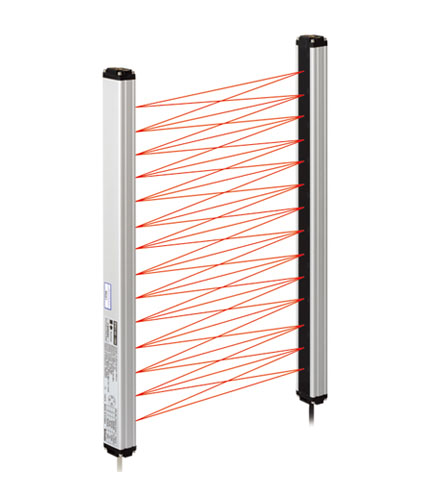
Emergency stops, safety light curtains, interlocks and other machine safety devices must be implemented according to the required safety architecture and applicable standards. An HMI emergency-stop graphic is not a substitute for a correctly designed physical safety circuit.

When Do You Need Both a PLC and an HMI?

Using both is suitable when the machine requires automatic control together with operator monitoring or adjustment.

Common applications include:

  • Packaging machines
  • Conveyor systems
  • Assembly equipment
  • Filling and labelling machines
  • Material-handling systems
  • Temperature-controlled equipment
  • Semiconductor manufacturing equipment
  • Water treatment systems
  • Building automation
  • Production monitoring systems

A PLC-only system may be sufficient for a small, fixed process with limited operator interaction. An HMI becomes more valuable as the number of machine states, settings, alarms and products increases.

Can an HMI Work Without a PLC?

An HMI can communicate directly with certain controllers, drives or intelligent devices if they use a compatible protocol. Some advanced interfaces may also include limited logic or control functions.

However, a conventional HMI is not normally a replacement for a PLC in a machine control system.

A PLC is better suited to:

  • Continuous control cycles
  • Fast input and output processing
  • Complex machine sequences
  • Industrial interlocking
  • Expansion of field I/O
  • Deterministic equipment control

For most industrial automation applications, the HMI should be treated as the user interface and the PLC as the main controller.

When Do You Need Both a PLC and an HMI?

Using both is suitable when the machine requires automatic control together with operator monitoring or adjustment.

Common applications include:

  • Packaging machines
  • Conveyor systems
  • Assembly equipment
  • Filling and labelling machines
  • Material-handling systems
  • Temperature-controlled equipment
  • Semiconductor manufacturing equipment
  • Water treatment systems
  • Building automation
  • Production monitoring systems

A PLC-only system may be sufficient for a small, fixed process with limited operator interaction. An HMI becomes more valuable as the number of machine states, settings, alarms and products increases.

How to Choose a PLC and HMI

Choosing the right PLC and HMI depends on the machine requirements, communication setup and operating environment.

Choosing a PLC

Consider these main factors:

  • I/O requirements: Determine the number and type of digital, analogue, high-speed and positioning inputs and outputs.
  • Processing capacity: More complex or time-sensitive applications may require faster processing and greater programme memory.
  • Communication: Confirm compatibility with the HMI, servo drive, inverter, sensors and other connected equipment.
  • Expansion: Allow reasonable capacity for future I/O, communication or motion-control requirements.

Explore our Panasonic programmable controllers for different machine sizes and automation requirements.

Choosing an HMI

Focus on:

  • Screen and display: Select a suitable screen size, resolution and layout for the information operators need to view.
  • PLC compatibility: Check the supported communication protocol, port and cable requirements.
  • Operating environment: Consider temperature, dust, moisture, vibration and required front-panel protection.
  • Operator functions: Determine whether you need alarm history, data logging, recipes, user access control or trend graphs.

For example, the Panasonic GT707 provides a 7-inch colour display with functions such as alarms, graphs, recipes, operation security and data logging. You can also explore Wentech’s complete range of Panasonic Human Machine Interface products.

PLC and HMI Compatibility: What Should You Check?

A PLC and HMI should be selected as a connected system, not as two unrelated products.

Before purchasing, confirm:

  • PLC and HMI model compatibility
  • Supported communication protocol
  • Available communication ports
  • Cable and connector requirements
  • PLC memory addresses or tags
  • Communication speed and settings
  • HMI configuration software
  • PLC programming software
  • Current product lifecycle and replacement availability

Product lifecycle is especially important when replacing older equipment. Some older HMI models may be discontinued even though they remain installed in existing machinery.

Common PLC and HMI Misconceptions

“An HMI controls the entire machine”
The operator may issue commands through the HMI, but the PLC normally processes those commands and controls the equipment.

“A touchscreen can replace all physical controls”
An HMI can reduce the number of physical buttons and indicators, but critical controls and safety devices may still require dedicated hardware.

“Any HMI can connect to any PLC”
Successful communication depends on compatible protocols, ports, cables, addressing and software configuration.

“A larger HMI improves PLC performance”
HMI screen size does not increase the PLC’s processing capability. PLC and HMI specifications must be selected according to their separate roles.

“The machine must stop if the HMI fails”
Not necessarily. The PLC may continue operating, but the effect of HMI failure depends on how the machine and operator controls were designed.

Find the Right PLC and HMI Solution

Need help selecting a compatible Panasonic PLC and HMI? Share your machine requirements, I/O count and communication needs with Wention Technology for product selection assistance.

Get Product Recommendation

Frequently Asked Questions (FAQs)

Is an HMI the same as a PLC?

No. A PLC controls the machine or process, while an HMI displays information and allows operators to interact with the PLC system.

Does an HMI need a PLC?

Not always, because some HMIs can communicate with other intelligent controllers or devices. However, most industrial machine applications use an HMI together with a PLC.

Can a PLC run without an HMI?

Yes. A programmed PLC can control a machine without an HMI, provided the system has suitable physical controls or does not require regular operator input.

Does the HMI store the PLC programme?

Normally, no. The PLC control programme is stored in the PLC. The HMI stores its own screens, communication settings and interface configuration.

What happens if the HMI loses communication with the PLC?

The HMI may stop updating values or accepting effective commands. The PLC may continue operating according to its programme, depending on how communication-loss handling has been designed.

How are a PLC and HMI connected?

They may be connected through Ethernet, serial communication or another supported industrial network. The exact connection depends on the models, ports and communication protocols.

Which should I choose first, the PLC or HMI?

Start with the machine’s control and I/O requirements to select the PLC. Then choose an HMI that supports the PLC, communication method, required screen size and operator functions.

Can I connect a different HMI brand to a Panasonic PLC?

It may be possible if the HMI supports the Panasonic PLC protocol and both devices have compatible communication interfaces. Compatibility should be confirmed before purchase.
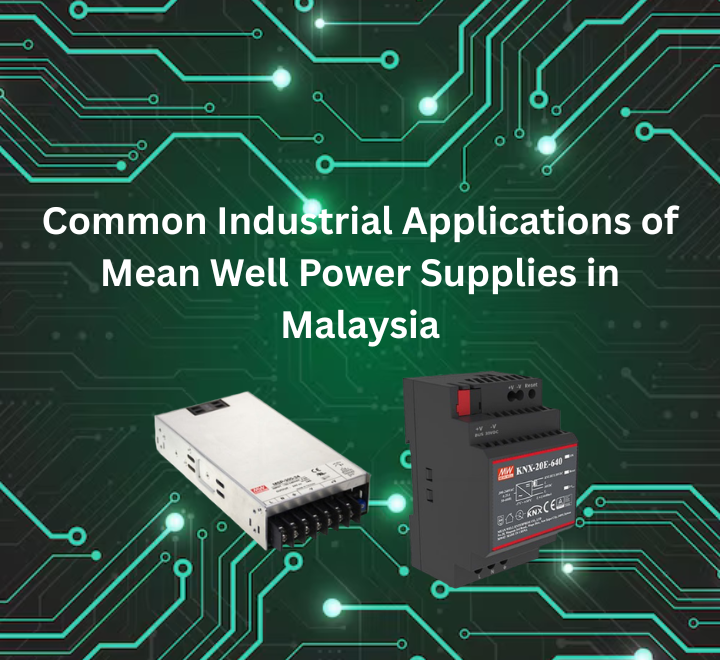
Common Industrial Applications of Mean Well Power Supplies in Malaysia

Common Industrial Applications of Mean Well Power Supplies in Malaysia

Industrial automation and modern manufacturing systems rely heavily on stable and efficient power supply solutions. From factory automation equipment and production machinery to control panels and industrial monitoring systems, reliable power supplies play a critical role in ensuring smooth and uninterrupted operations.

One of the most widely trusted power supply brands used globally is Mean Well. Known for its reliable switching power supplies, DIN rail power supplies, enclosed power supplies, and industrial power solutions, Mean Well products are commonly used across various industries worldwide.

In Malaysia, businesses across manufacturing, automation, electronics, and industrial sectors continue to rely on Mean Well power solutions for consistent performance and operational reliability. As industries adopt more advanced automation technologies, the demand for dependable industrial power supplies continues to grow.

Why Mean Well Is Trusted in Malaysia

Mean Well is recognized internationally for producing high-quality standard power supply products used in industrial automation, machinery, control systems, LED applications, and factory operations.

Industries choose Mean Well power supplies because of their:

  • Reliable industrial performance
  • Stable power output
  • Wide product range
  • Long operational lifespan
  • Safety and protection features
  • Compatibility with industrial automation systems

Mean Well products are designed to support demanding industrial environments where consistent electrical performance is essential for operational efficiency and equipment protection.

Businesses looking for Mean Well in Malaysia often prioritize genuine products and reliable suppliers to ensure long-term system stability and reduced maintenance risks.

Common Industrial Applications Of Mean Well Power Supplies in Malaysia

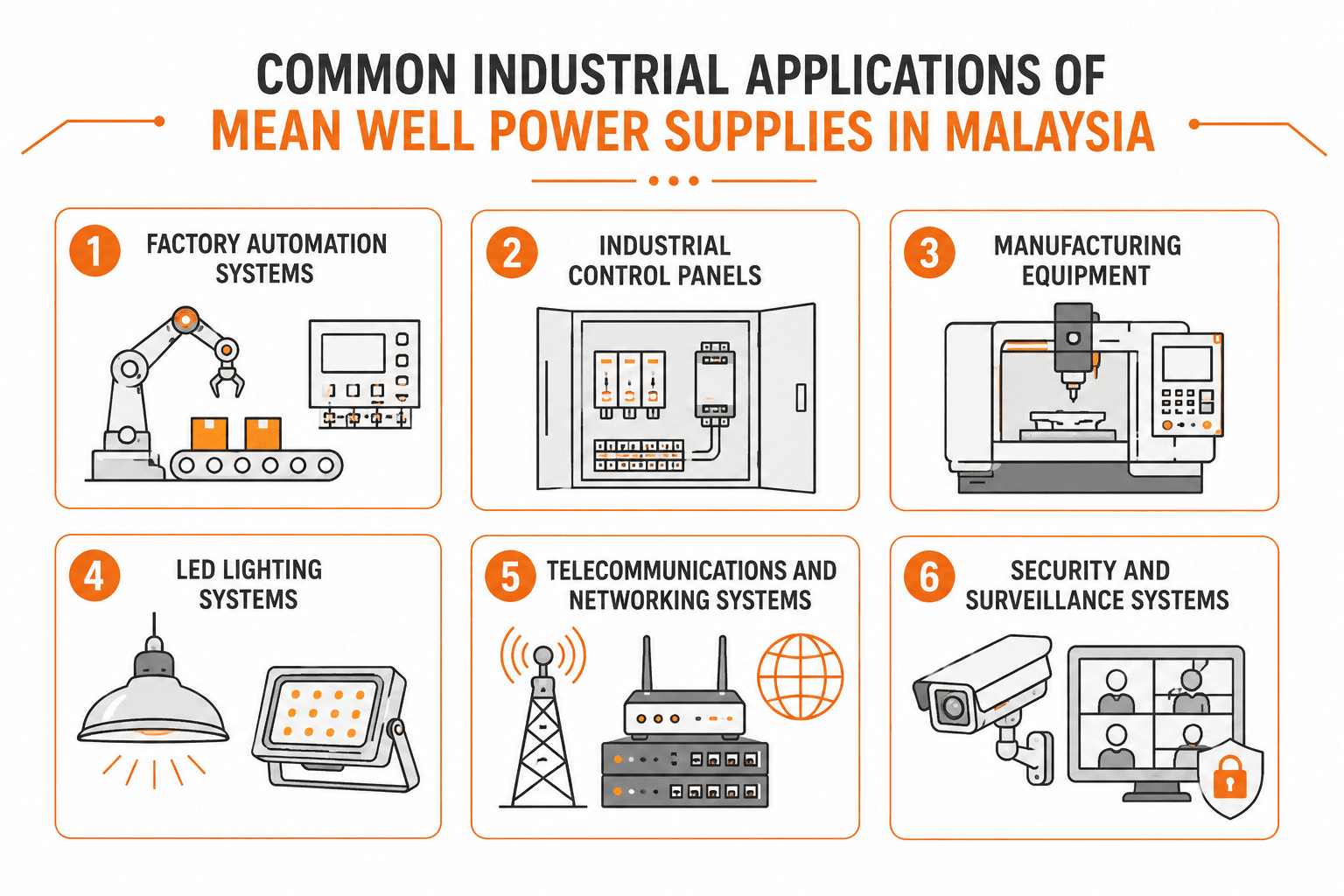
Common Industrial Applications of Mean Well Power Supplies in Malaysia

Factory Automation Systems

Factory automation systems require stable and continuous power to support controllers, sensors, relays, PLC systems, and industrial communication devices.

Mean Well power supplies are widely used in:

  • Automation control panels
  • Production lines
  • Conveyor systems
  • Industrial robotics
  • Machine automation systems

Their reliable output helps maintain smooth manufacturing operations while reducing risks of system interruption and equipment failure.

Industrial Control Panels

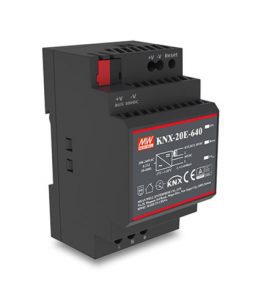
Industrial control panels depend on regulated power supplies for safe and efficient operation. Mean Well DIN rail and enclosed power supplies are commonly integrated into control cabinets across many Malaysian industries.

Applications include:

  • Motor control systems
  • Process automation
  • Machine control panels
  • Building management systems
  • Industrial monitoring systems

DIN rail power supplies are especially popular due to their compact design and easy installation within industrial cabinets.

Manufacturing Equipment

Manufacturing industries in Malaysia use various automated machines and production equipment that require stable DC power supplies for proper operation.

Mean Well power supplies are commonly used in:

  • CNC machines
  • Packaging machines
  • Assembly systems
  • Labeling equipment
  • Semiconductor machinery

Reliable power supply systems help manufacturers reduce downtime while maintaining production consistency.

LED Lighting Systems

Mean Well is also widely known for its LED drivers and power supply solutions used in commercial and industrial lighting applications.

Common applications include:

  • Factory lighting systems
  • Warehouse lighting
  • Commercial LED displays
  • Outdoor lighting systems
  • Smart lighting control systems

Their LED power solutions support energy-efficient lighting systems with stable performance and long operational lifespan.

Telecommunications and Networking Systems

Telecommunication equipment and networking infrastructure require continuous and stable power for reliable communication performance.

Mean Well power supplies are used in:

  • Communication systems
  • Networking equipment
  • Data transmission systems
  • Server infrastructure
  • Monitoring systems

Reliable power management helps ensure uninterrupted communication and operational stability.

Security and Surveillance Systems

Security systems require dependable power supplies to maintain continuous monitoring and operational performance.

Mean Well products are commonly used in:

  • CCTV systems
  • Access control systems
  • Alarm systems
  • Security monitoring equipment
  • Surveillance infrastructure

Stable power helps improve the reliability of critical security operations.

Mean Well Power Supply Types Commonly Used in Malaysia

DIN Rail Power Supplies

DIN rail power supplies are commonly used in industrial automation panels and electrical cabinets due to their compact installation design.

These power supplies are widely used in:

  • PLC systems
  • Automation panels
  • Industrial monitoring systems
  • Process control systems

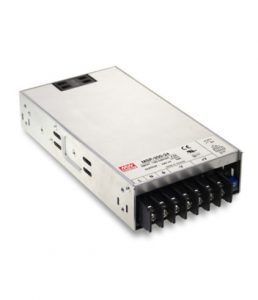
Enclosed Switching Power Supplies

Enclosed power supplies are frequently used for industrial machinery, manufacturing systems, and automation equipment that require stable DC output.

Why Genuine Mean Well Products Matter

Using genuine industrial power supplies is important for ensuring operational safety, electrical stability, and equipment protection.

Businesses sourcing genuine Mean Well products in Malaysia benefit from:

  • Reliable product quality
  • Stable industrial performance
  • Better system compatibility
  • Safety protection features
  • Long-term operational reliability

Choosing authorized and trusted suppliers also helps reduce risks associated with counterfeit or low-quality power supply products.

Why Choose Wention Technology for Mean Well in Malaysia

Wention Technology supplies genuine Mean Well power supplies for industrial automation and manufacturing applications in Malaysia.

  • Wide Product Range
    Available products include DIN rail power supplies, enclosed power supplies, LED drivers, and DC/DC converters.
  • Industry Experience
    Wention Technology supports Malaysian industries with reliable automation and power supply solutions.
  • Technical Support
    Businesses can receive guidance in selecting suitable Mean Well products for their industrial applications.

Looking for Mean Well Power Supplies in Malaysia?

Wention Technology supplies genuine Mean Well power supplies for industrial automation, manufacturing, factory control systems, and various industrial applications across Malaysia, supporting businesses with reliable power solutions and technical support.

Contact Wention Technology for Mean Well product inquiries and industrial power supply solutions in Malaysia

Conclusion

Mean Well power supplies continue to play an important role in supporting industrial automation and manufacturing industries in Malaysia. From factory automation systems and industrial machinery to LED lighting and telecommunications infrastructure, reliable power supply solutions are essential for operational efficiency and equipment protection.

As industrial systems become more advanced, businesses increasingly require dependable and efficient power management solutions. Mean Well products remain a trusted choice for industries seeking reliable industrial power supplies in Malaysia.

Companies looking for Mean Well in Malaysia can explore a comprehensive range of industrial power supply solutions through Wention Technology for automation and manufacturing applications.

Frequently Asked Questions (FAQs)

What makes Mean Well power supplies suitable for industrial use?

Mean Well power supplies are designed for stable DC output, high efficiency, and long-term reliability, making them suitable for demanding industrial environments such as automation, manufacturing, and control systems.

Are Mean Well power supplies reliable for 24/7 operation?

Yes. Many Mean Well models are built for continuous 24/7 operation with protection features such as overload, short circuit, overvoltage, and overheating protection, which help prevent system downtime.

What types of Mean Well power supplies are commonly used in factories?

Common types include DIN rail power supplies, enclosed power supplies, and LED drivers. DIN rail models are especially popular for control panels and automation systems due to their compact design.

How do I choose the right Mean Well power supply for my application?

You should consider the required output voltage, total load (wattage), installation type (DIN rail or enclosed), and environmental conditions such as temperature and ventilation.

Do Mean Well power supplies require maintenance?

They generally require minimal maintenance. However, periodic inspection for dust buildup, proper ventilation, and secure wiring is recommended to ensure long-term performance and safety.

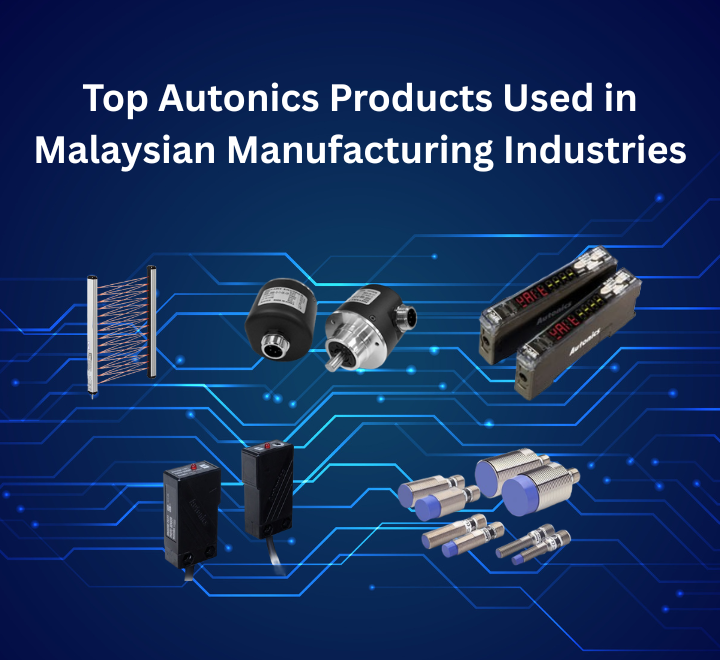
Top Autonics Products Used in Malaysian Manufacturing Industries

Industrial automation continues to grow rapidly across Malaysia as manufacturers look for smarter ways to improve productivity, reduce downtime, and maintain consistent product quality. From electronics manufacturing and packaging lines to food processing and logistics operations, automation systems now play a critical role in modern factory environments.

One of the most trusted automation brands used by industries worldwide is Autonics. Known for its wide range of industrial sensors, controllers, motion devices, and automation components, Autonics provides reliable solutions that help manufacturers improve operational efficiency and workplace safety.

In Malaysia, businesses across various sectors rely on Autonics products for factory automation applications. As an authorized distributor of Autonics in Malaysia, Wention Technology supplies a comprehensive range of genuine Autonics automation products to support industrial operations nationwide.

Why Autonics Is Trusted in Malaysia

Autonics has established itself as a global automation solutions provider offering sensors, controllers, safety systems, industrial networking products, and smart factory technologies. The company supports a wide range of industries including automotive, packaging, semiconductor, food and beverage, logistics, and machine tools.

Autonics products are widely recognized for:

  • Reliable industrial performance
  • High sensing accuracy
  • Long product lifespan
  • Easy installation and maintenance
  • Compatibility with factory automation systems
  • Smart factory integration capabilities

With decades of automation experience and global manufacturing operations, Autonics continues to support industries seeking efficient and scalable automation solutions.

Wention Technology has been supplying Autonics products in Malaysia since being appointed as an authorized distributor of factory automation products in 2013. The company provides automation solutions, technical support, and product supply for industrial customers throughout Malaysia.

Top Autonics Products Used in Malaysian Manufacturing Industries

Proximity Sensors

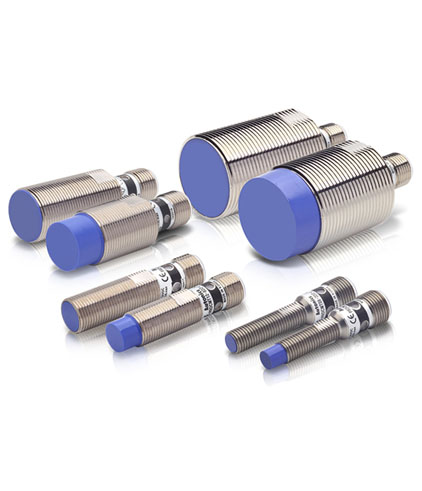
Autonics proximity sensors are among the most widely used automation products in Malaysian factories. These sensors are designed to detect metallic objects without physical contact, making them ideal for industrial environments where reliability and durability are essential.

Common industrial applications include:

  • Conveyor systems
  • Packaging machinery
  • Automated production lines
  • Position detection systems
  • Robotics and machine automation

The Autonics AS Series long sensing distance proximity sensor is commonly used for applications requiring stable detection performance and superior noise resistance.

Photoelectric Sensors

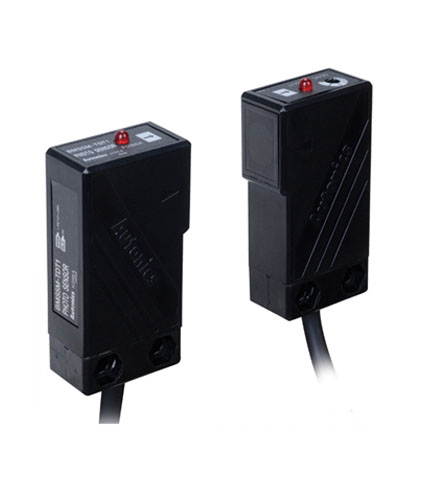
Photoelectric sensors are essential components in factory automation systems. These sensors detect objects using light beams and are widely used for counting, positioning, sorting, and detection applications.

Industries in Malaysia commonly use Autonics photoelectric sensors for:

  • Packaging lines
  • Food processing systems
  • Automated assembly lines
  • Material handling systems
  • Object detection and counting

Popular series include the BA2M Series, BJ Series, BM Series, and BPS Series, which offer compact designs, long sensing distances, and fast response times suitable for industrial environments.

Fiber Optic Sensors

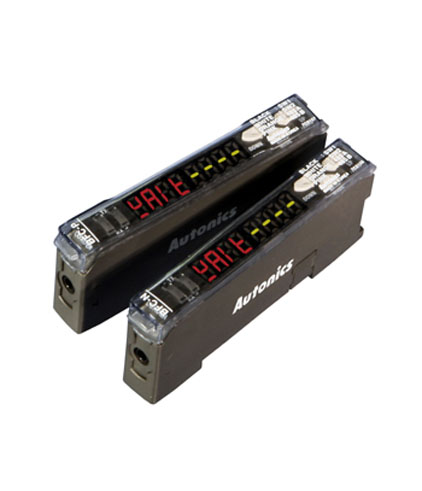
Fiber optic sensors are commonly used in precision manufacturing processes where space is limited or high-speed sensing is required. These sensors provide highly accurate detection for small or fast-moving objects.

Autonics fiber optic sensors are widely used in:

  • Electronics manufacturing
  • Semiconductor production
  • Precision assembly systems
  • High-speed production lines

The BF3R, BF4R, and BF5 Series are known for fast response speeds, compact installation, and reliable sensing performance in demanding industrial applications.

Rotary Encoders

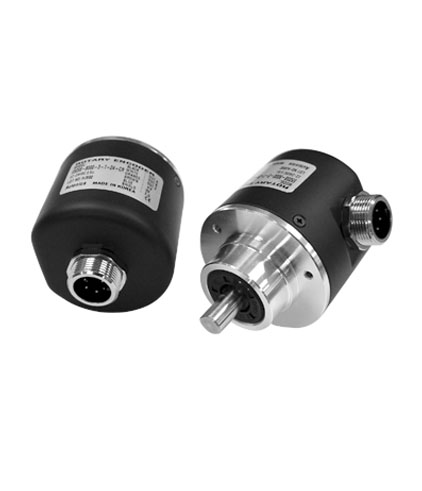
Rotary encoders are important automation components used for measuring rotation speed, direction, angle, and positioning in industrial machinery.

Manufacturing industries in Malaysia use Autonics rotary encoders for:

  • CNC machines
  • Conveyor systems
  • Robotics
  • Motor control systems
  • Packaging equipment

These devices help improve precision, automation accuracy, and production consistency in modern factory operations.

Pressure Sensors

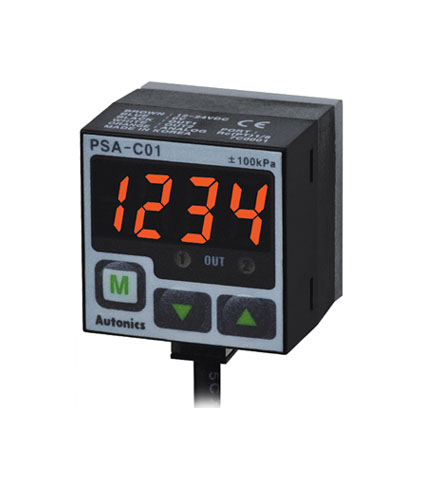
Pressure monitoring is critical in many industrial applications, especially in process automation and manufacturing systems that require accurate fluid or air pressure control.

Autonics pressure sensors are commonly used in:

  • Pneumatic systems
  • Hydraulic systems
  • Industrial processing equipment
  • Air pressure monitoring systems
  • Factory automation systems

These sensors help improve operational stability while reducing equipment risks and downtime.

Area Sensors and Safety Sensors

Workplace safety remains a major priority in Malaysian manufacturing industries. Autonics safety and area sensors help improve operator protection while maintaining efficient machine operation.

These products are widely used for:

  • Hazardous machine areas
  • Automated production systems
  • Material handling equipment
  • Industrial safety applications

Autonics safety solutions are designed to support international safety standards while helping factories improve productivity and workplace protection.

How Autonics Supports Smart Factory Automation

The manufacturing sector in Malaysia continues to adopt Industry 4.0 technologies and smart automation systems. Autonics supports this transformation through products such as:

  • Industrial networking systems
  • Motion controllers
  • Remote I/O systems
  • Sensor controllers
  • Machine vision solutions
  • Smart factory software

These technologies help manufacturers improve data monitoring, automation control, machine communication, and operational efficiency.

As industrial automation becomes more advanced, reliable automation components play a critical role in ensuring long-term system performance.

Why Businesses Choose Genuine Autonics Products in Malaysia

Using genuine industrial automation components is important for maintaining system reliability, product compatibility, and long-term operational performance.

Businesses working with authorized Autonics distributors benefit from:

  • Genuine factory automation products
  • Technical product support
  • Reliable product sourcing
  • Better compatibility with industrial systems
  • Consistent product quality

Wention Technology supplies a wide range of Autonics products in Malaysia including sensors, controllers, rotary encoders, pressure sensors, area sensors, and industrial automation solutions for various manufacturing industries.

Looking for Autonics Products in Malaysia?

Wention Technology supplies genuine Autonics automation products for manufacturing and industrial applications across Malaysia. From sensors and controllers to factory automation solutions, businesses can find reliable products backed by industry experience and technical support.

Contact Wention Technology today for product inquiries and automation solutions

Conclusion

Autonics continues to be one of the most trusted automation brands used in Malaysian manufacturing industries. From proximity sensors and photoelectric sensors to rotary encoders and industrial safety systems, Autonics products help factories improve efficiency, automation accuracy, and workplace safety.

As automation adoption continues to grow in Malaysia, reliable automation partners and genuine industrial products become increasingly important for long-term operational success.

Businesses looking for Autonics in Malaysia can explore a comprehensive range of factory automation products and solutions through Wention Technology, an authorized distributor supporting industrial automation needs across the country.

Frequently Asked Questions (FAQs)

Where can I buy genuine Autonics products in Malaysia?

You can purchase genuine Autonics products in Malaysia through authorized distributors such as Wention Technology, which supplies industrial automation products for various manufacturing industries.

What industries commonly use Autonics products in Malaysia?

Autonics products are widely used in manufacturing, electronics, packaging, food processing, machinery, logistics, and factory automation industries.

What types of Autonics products are available in Malaysia?

Common Autonics products include proximity sensors, photoelectric sensors, rotary encoders, pressure sensors, temperature controllers, timers, and industrial automation controllers.

Why are Autonics sensors popular in industrial automation?

Autonics sensors are known for reliable performance, accurate detection, durable industrial design, and compatibility with various factory automation systems.

Does Wention Technology provide technical support for Autonics products?

Yes, Wention Technology provides product support and guidance to help businesses choose suitable Autonics automation products for their industrial applications.

Which sensor brand is best for Malaysia – Autonics, Omron, or Panasonic

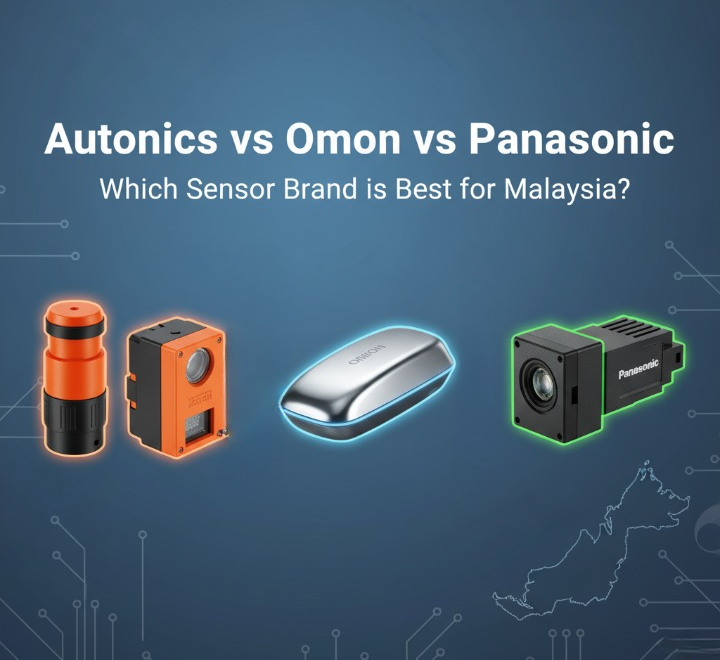
Autonics vs Omron vs Panasonic: Which Sensor Brand is Best for Malaysia?

When it comes to choosing sensors for automation, machinery, or industrial use in Malaysia, three names often come up: Autonics, Omron, and Panasonic. Each brand is well-known, but which one is the right fit for your business?

This guide compares these brands from a buyer’s perspective, focusing on performance, reliability, cost, availability, and after-sales support in Malaysia.

Why the Right Sensor Brand Matters

Sensors are the “eyes and ears” of your equipment. A poor choice can lead to:

  • Frequent breakdowns
  • Downtime in production
  • Higher maintenance costs
  • Difficulty sourcing replacements

That’s why comparing Autonics vs Omron vs Panasonic is important before making a decision.

1. Product Range and Applications

Autonics: Strong in cost-effective sensors and controllers, popular in Malaysia’s SMEs and mid-sized factories. Great for applications where affordability and good performance matter.

Omron: Widely used in advanced automation and robotics. Offers extensive product lines with cutting-edge features.

Panasonic: Known for compact, high-precision sensors, often used in electronics and automotive industries.

2. Reliability and Quality

Autonics: Reliable for standard automation needs, less advanced features compared to Japanese brands but durable enough for most factory conditions.

Omron: Market leader in quality and advanced functions. Strong reputation for long-term stability.

Panasonic: High precision and consistent quality, especially in sensitive applications.

3. Price and Value

Autonics: Generally the most affordable among the three. Good for businesses looking for reliable sensors without overspending.

Omron: Higher cost, but you pay for advanced features and proven reliability.

Panasonic: Falls in the mid-to-high range, depending on product type.

4. Availability and Support in Malaysia

Autonics: Widely available through local distributors in Malaysia. Fast access to parts and replacements.

Omron: Strong global presence with Malaysian support centers. Spare parts and technical support are reliable but may come at a premium.

Panasonic: Available, but may not have as wide distribution as Autonics and Omron in certain regions.

Quick Comparison Table

Feature Autonics Omron Panasonic
Price Most affordable Premium pricing Mid to high range
Reliability Good for standard use Excellent, industry leader High precision, very reliable
Product Range Broad, cost-effective options Extensive, advanced automation Strong in compact sensors
Support in MY Wide distributor network Global + local support centers Available, less extensive
Best For SMEs, budget-conscious buyers High-end automation, robotics Electronics, automotive sectors

5. Which Brand Should You Choose?

It depends on your business priorities:

  • Choose Autonics if you need affordable, reliable sensors for everyday industrial applications.
  • Choose Omron if you want cutting-edge technology and long-term stability, even if it costs more.
  • Choose Panasonic if you’re in industries like electronics or automotive where compact, high-precision sensors are critical.

Conclusion

There is no single “best” sensor brand in Malaysia — it all comes down to your application, budget, and long-term goals.

At Wention Technology Sdn Bhd, we supply a wide range of Autonics sensors and power supplies, helping Malaysian businesses find the most cost-effective solutions without compromising on performance.

👉 Explore our Autonics sensors in Malaysia or contact us today for expert advice on choosing the right solution for your business.

Disclaimer

We hope you find this article helpful and informative. Our content is intended for general informational purposes only and does not constitute advice or necessarily reflect the full range of services offered by Wention Technology Sdn. Bhd.

For personalized advice, please consult with a professional or contact us directly. While we strive for accuracy and completeness in our blog posts, we cannot guarantee they are error-free. Wention Technology Sdn. Bhd. assumes no responsibility for any errors or omissions.

Autonics sensor types explained for industrial automation in Malaysia

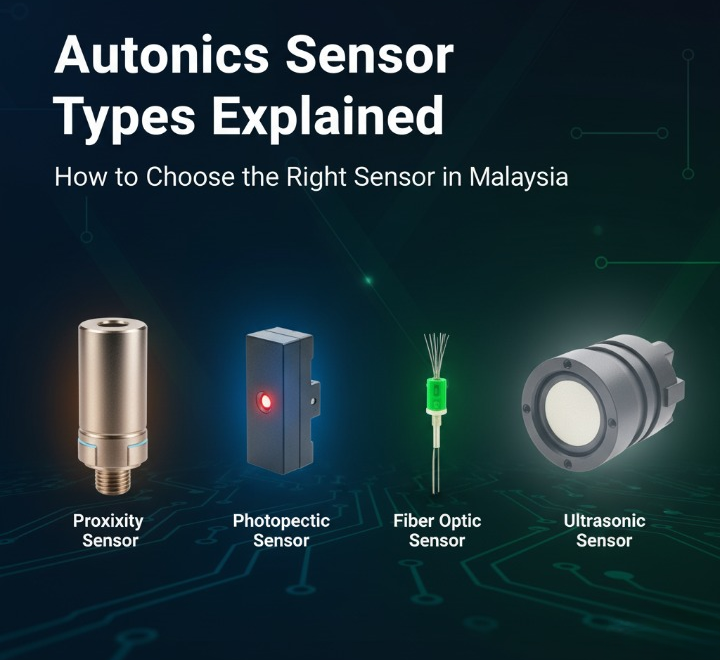
Autonics Sensor Types Explained: How to Choose the Right Sensor in Malaysia

In modern factories and automation systems, sensors are the “eyes and ears” of machines. They detect objects, measure distances, and trigger processes with speed and accuracy. Choosing the right sensor is important — using the wrong type can lead to false readings, equipment downtime, or even costly production delays.

Autonics, a trusted global brand, offers a wide range of sensors that are widely used across Malaysia in industries like packaging, electronics, automotive, and food processing. But with so many sensor options available, how do you know which one to choose?

This guide breaks down the most common Autonics sensor types and explains how to select the right one for your application.

1. Proximity Sensors

In modern factories and automation systems, sensors are the “eyes and ears” of machines. They detect objects, measure distances, and trigger processes with speed and accuracy. Choosing the right sensor is important — using the wrong type can lead to false readings, equipment downtime, or even costly production delays.

Autonics, a trusted global brand, offers a wide range of sensors that are widely used across Malaysia in industries like packaging, electronics, automotive, and food processing. But with so many sensor options available, how do you know which one to choose?

This guide breaks down the most common Autonics sensor types and explains how to select the right one for your application.

2. Photoelectric Sensors

Photoelectric sensors use light beams to detect objects, making them versatile for different environments.

  • Through-beam type: Highest accuracy; detects even small objects.
  • Retro-reflective type: Uses a reflector; good for longer distances.
  • Diffuse reflective type: Detects objects by reflected light from their surface.

Applications:

  • Object counting on conveyor belts.
  • Detecting transparent bottles or packaging.
  • Positioning in high-speed sorting systems.

3. Fiber Optic Sensors

These sensors are compact and highly flexible, using fiber optic cables to reach tight spaces.

Applications:

  • Electronics manufacturing (detecting micro components).
  • Semiconductor assembly.
  • Automation setups with limited installation space.

4. Ultrasonic Sensors

Ultrasonic sensors use sound waves to measure distance and detect objects, regardless of material type.

Applications:

  • Liquid level detection in tanks.
  • Presence detection of large objects (boxes, pallets).
  • Harsh or dusty environments where optical sensors may fail.

5. Choosing the Right Sensor for Your Application

When selecting an Autonics sensor in Malaysia, consider:

  • Object material: Metal, plastic, liquid, transparent.
  • Detection distance: Short-range vs long-range sensing.
  • Environment: Dust, humidity, vibration, or temperature.
  • Mounting space: Whether you need compact designs like fiber optic types.
  • Response speed: For high-speed conveyors or robotics.

6. Autonics vs Other Brands

Autonics competes with brands like Omron and Panasonic, but stands out for its balance of affordability, durability, and range of options. Many Malaysian manufacturers choose Autonics because:

  • Wide product variety.
  • Cost-effective compared to premium brands.
  • Reliable availability and local distributor support.

7. Common Malaysian Use Cases

  • Food & beverage factories: Bottle detection, packaging verification.
  • Automotive industry: Part positioning, metal detection in assembly.
  • Electronics manufacturing: Micro component detection.
  • Warehousing & logistics: Object detection for conveyor sorting.

8. Troubleshooting & Maintenance Tips

  • Keep sensor lenses clean (especially photoelectric types).
  • Check wiring and shielding for signal noise issues.
  • Avoid installing sensors near strong electromagnetic interference (motors, inverters).
  • Replace damaged or worn sensors to prevent downtime.

Conclusion

Choosing the right sensor doesn’t have to be complicated. By understanding your object type, environment, and application requirements, you can confidently select an Autonics sensor that improves reliability and efficiency in your operations.

Wention Technology offers a full range of Autonics sensors in Malaysia, with local support to help you choose the best solution for your needs.

Disclaimer

We hope you find this article helpful and informative. Our content is intended for general informational purposes only and does not constitute advice or necessarily reflect the full range of services offered by Wention Technology Sdn. Bhd.

For personalized advice, please consult with a professional or contact us directly. While we strive for accuracy and completeness in our blog posts, we cannot guarantee they are error-free. Wention Technology Sdn. Bhd. assumes no responsibility for any errors or omissions.

Choosing the right Meanwell power supply in Malaysia for industrial and automation applications

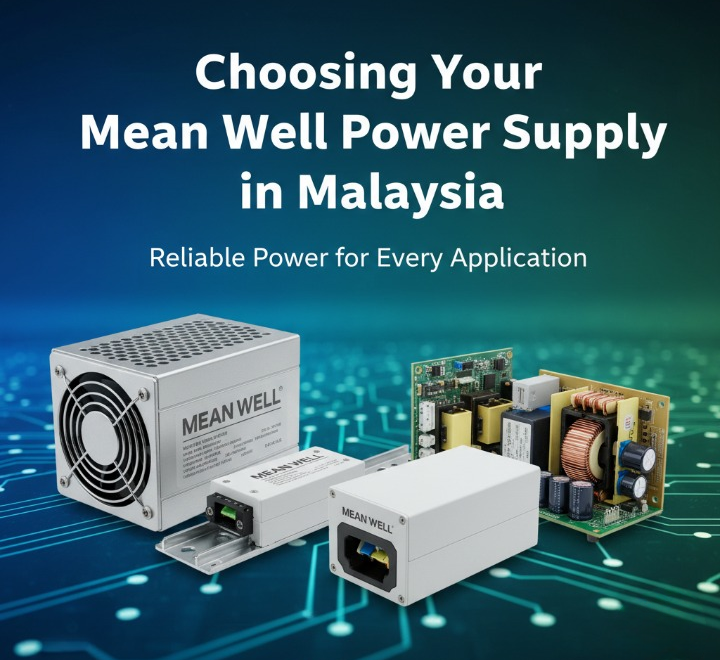
How to Choose a Meanwell Power Supply in Malaysia

When it comes to industrial automation, factory equipment, or even LED lighting systems, the power supply is often the most overlooked component. Yet, it plays a crucial role in ensuring stability, reliability, and long-term performance. In Malaysia’s climate, where high humidity and heat can affect equipment lifespan, selecting the right power supply is especially important.

Meanwell, one of the most trusted global brands in switching power supplies, offers a wide range of models to suit different applications. But with so many options available, how do you choose the right one? This guide will walk you through the key factors to consider when selecting a Meanwell power supply in Malaysia.

1. Understand Your Power Requirements

The first step is to determine your output voltage and current needs. For example, a PLC control panel may require a 24V DC supply, while LED drivers often use 12V or constant current models.

  • Output Voltage: Check the device specification (e.g., 5V, 12V, 24V, 48V).
  • Current & Wattage: Calculate the total current draw of all connected devices, then multiply by the output voltage to get required wattage.

Tip: Always include a 20–30% safety margin when calculating wattage. If your load requires 100W, choose a 120W–150W model to ensure long-term reliability.

2. Choose the Right Form Factor

Meanwell offers several product families designed for different installation methods:

  • Enclosed Type – Compact, cost-effective, widely used in industrial panels.
  • DIN Rail Type – Easy to mount on DIN rails for control cabinets.
  • Open Frame / PCB Type – For integration into OEM designs.
  • LED Drivers – Specially designed for lighting applications, both indoor and outdoor.
  • Programmable / Adjustable Power Supplies – For advanced applications where output can be tuned.

Selecting the right format depends on your installation environment and ease of maintenance.

3. Consider Efficiency and Energy Savings

In Malaysia, where equipment often runs 24/7, efficiency is critical. Higher efficiency means less energy wasted as heat, which reduces electricity costs and prolongs the lifespan of surrounding components.

Meanwell models typically offer 80–94% efficiency, with premium series designed for energy-sensitive applications.

4. Factor in Temperature and Derating

Malaysia’s tropical climate can accelerate wear on electrical components. Meanwell specifies derating curves, which show how much output power decreases as temperature rises.

For example, a 240W model may only deliver 200W at 60°C ambient temperature. Ensure the power supply you select has sufficient headroom for heat, humidity, and limited ventilation in control cabinets.

5. Protection Features and Safety Standards

To safeguard your equipment, check for built-in protection features:

  • Overload protection
  • Overvoltage protection
  • Short-circuit protection
  • Thermal shutdown

Also, ensure the model meets international certifications such as UL, CE, CB, and RoHS. These compliance marks are especially important for export-oriented manufacturers in Malaysia.

6. Reliability and Genuine Products

One of the biggest risks in Malaysia’s industrial supply chain is counterfeit or low-quality alternatives. Always buy from an authorized Meanwell distributor in Malaysia to ensure you get genuine products with warranty support.

Wention Technology Sdn Bhd supplies a full range of Meanwell power supplies in Malaysia and provides local technical support for businesses across different industries.

7. Common Applications in Malaysia

Meanwell power supplies are widely used in:

  • Factory automation (PLC panels, robotics, conveyors)
  • LED lighting systems (street lighting, commercial, signage)
  • Security systems (CCTV, access control)
  • Telecommunications & networking
  • Renewable energy systems (solar, backup power solutions)

Choosing the right model ensures these systems run reliably, safely, and efficiently.

8. Troubleshooting & Maintenance Tips

  • Regularly check for dust build-up in enclosed types, as this reduces cooling.
  • Verify the fan operation on high-power models.
  • Monitor for signs of voltage instability or unusual heating.
  • Replace older units proactively to avoid unplanned downtime.

Conclusion

Selecting the right Meanwell power supply in Malaysia isn’t just about matching voltage and current—it’s about considering environmental factors, efficiency, reliability, and long-term maintenance. By following the steps above, you can make a confident choice that protects your equipment and ensures smooth operations.

If you’re unsure which model fits your needs, our team at Wention Technology can help you evaluate your requirements and recommend the most suitable Meanwell solution.

Explore our full range of Meanwell power supplies here

Disclaimer

We hope you find this article helpful and informative. Our content is intended for general informational purposes only and does not constitute advice or necessarily reflect the full range of services offered by Wention Technology Sdn. Bhd.

For personalized advice, please consult with a professional or contact us directly. While we strive for accuracy and completeness in our blog posts, we cannot guarantee they are error-free. Wention Technology Sdn. Bhd. assumes no responsibility for any errors or omissions.

NEW WEBSITE LAUNCH!

We are very pleased to announce the launch of our fantastic new website, along with a new look we have included some features that we hope will make visiting the site a quicker, easer and more interactive experience.To make sure you get the most of the new website we have listed a few of the new features below.  We hope you enjoy our new website and would love to hear what you think about it.